





How to Use a Peri Wash Bottle After Birth
How to Use a Peri Wash Bottle After Birth
Nobody warns you that going to the bathroom after birth will feel like an actual event. Like something you have to mentally prepare for. And then you discover the peri wash bottle and genuinely wonder how anyone survived postpartum without one.
If you're here because you just had a baby or you're about to, and you want to know exactly what to do with this funny little squeeze bottle, we've got you. No fluff. Just what you actually need to know.
What is a peri wash bottle?
A peri wash bottle, also called a peri bottle, postpartum bidet, or upside-down peri bottle, is a small squeeze bottle you fill with warm water and use to rinse your perineal area while you pee and after. That's it. That's the whole invention.
And yet it will become your most prized possession in those first weeks. Because when your perineum is bruised, swollen, stitched, or just thoroughly done with everything, warm water rinsing the area while you wee takes away the sting that would otherwise have you gripping the towel rack and reconsidering all your life choices.
It's fragile AF down there after birth. The peri bottle is how you make the bathroom manageable again.
When do you start using it?
Your very first trip to the bathroom after birth. Don't wait to see how sore you are, just start. Your midwife will almost certainly recommend one and show you the basics, but knowing the drill before you get there means one less thing to figure out when you're running on no sleep and big feelings.
Most mamas use their peri bottle for two to six weeks. Some keep reaching for it longer, and that's completely fine. Use it for as long as it's helping.
How to use a peri wash bottle — step by step
Fill with luke warm water Not hot, not cold. Think comfortable bath temperature. Cold water will make you flinch. Hot can irritate already-sensitive tissue. Warm, every time.
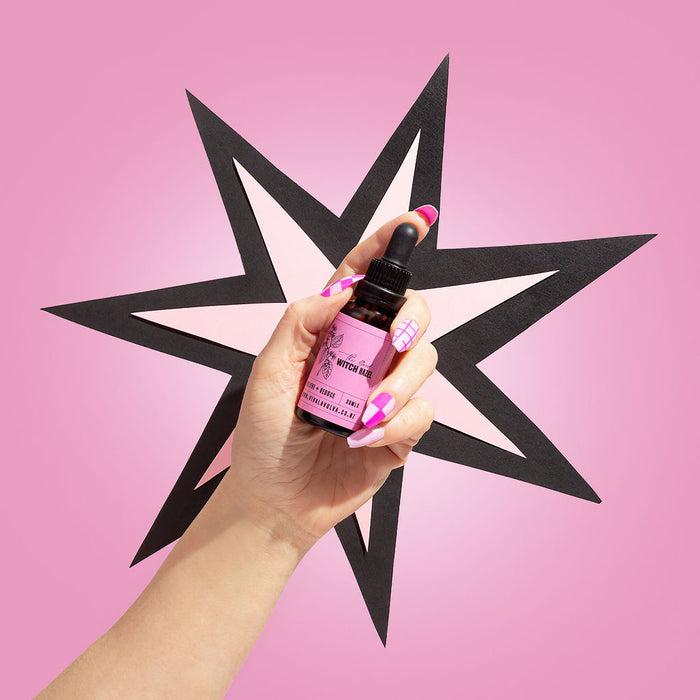
Add Witch Hazel if you can Plain water works. But a few drops of The Good Witch Hazel in your Peri Wash Bottle turns a functional rinse into actual healing. Witch hazel is anti-inflammatory and cooling — it reduces swelling and soothes irritated skin every single trip to the bathroom. Our Good Witch Hazel is distilled right here in New Zealand and is the only one specifically formulated for postpartum perineal use. Your vulva deserves better than the normal shelf stuff.
Point the nozzle forward, angled up Sit on the toilet normally. Hold the bottle with the nozzle pointing toward your front, angled upward at your perineum. Water flows front to back, always front to back.
Start squeezing before you pee Get the warm water flowing before you start urinating and keep going throughout. The water dilutes urine before it touches your skin, that's where the sting relief actually comes from. Keep squeezing for a few seconds after you finish too.
Pat dry, never wipe Soft, white, unscented toilet paper. Pat gently from front to back. "Wipe" is a dirty word for at least the first two weeks.
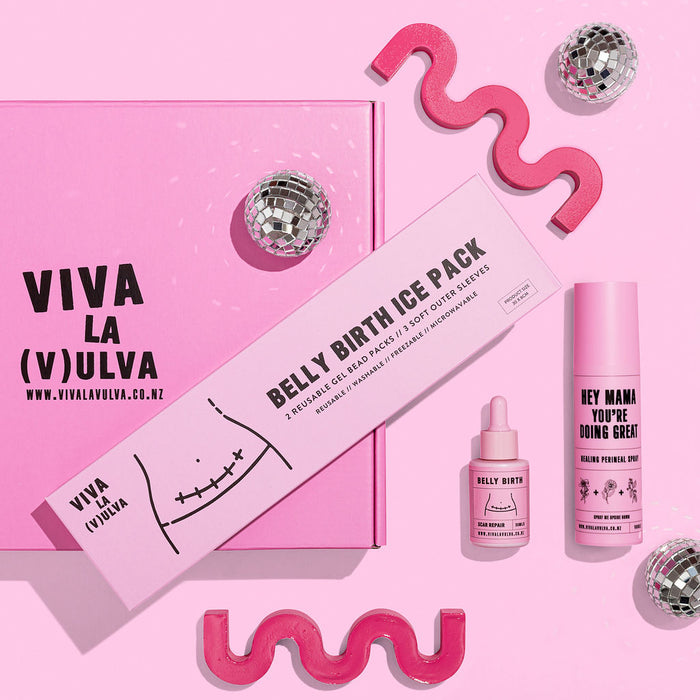
Finish with a spray Once dry, a spritz of Healing Perineal Spray directly onto the perineum keeps healing happening between bathroom trips. Witch hazel, calendula, and hypericum, the holy trinity of postpartum tissue recovery, working for you all day and night.
Tips nobody tells you
Refill fresh every single time. Don't leave water sitting in it. Warm and clean, every trip.
Keep it within arm's reach before you sit down. Back of the toilet, edge of the bath — wherever works. You do not want to be reaching for it mid-wee.
Bring your own to the hospital. Having your own Peri Wash Bottle means it's the right size, it's yours, and you take it home without a second thought. Pack it in your hospital bag alongside your witch hazel, and you're set.
Do you need both a peri bottle AND a healing spray?
Yes. They do different things.
The peri bottle is active — you use it during bathroom trips for rinse and sting relief. The Healing Perineal Spray is passive — you spray it between trips to keep the area calm and support tissue healing throughout the day.
One covers the moments. The other covers the hours in between. Together they're looking after you around the clock — which is exactly why we put both in the Fan(ny) Faves Bundle. Because in those first weeks, you need both working together.
What if I had a belly birth?
The peri bottle is primarily for vaginal births, but if you're experiencing lochia (which you will, regardless of how your baby arrived), a gentle warm rinse can still feel really comforting. Keep the stream well away from your incision site, and always check with your midwife or LMC if you're unsure. The NZ College of Midwives recommends hygiene and comfort as key parts of postnatal recovery, and this is one of the simplest ways to support both.
Frequently asked questions
Does it hurt to use? It shouldn't. The warm water should feel like relief. If bathroom trips are consistently very painful past the first few days, or you notice increased swelling, unusual discharge, or a smell, talk to your midwife or LMC. Those can be signs of infection that need attention.
Can I use it with stitches? Yes, warm water rinsing is actually recommended with perineal stitches. It keeps the area clean without any friction from wiping or snagging.
What can I put in a peri bottle? Warm water is the baseline. Good Witch Hazel is the upgrade. Some mamas add a small amount of sea salt. What you don't add: essential oils, fragrance, soap, or anything not specifically formulated for postpartum perineal use.
How long do you use it? Two to six weeks is typical. Use it for as long as it's providing relief — there's genuinely no wrong answer here.
Do I need a peri bottle if I didn't tear? Yes. Even without tears or stitches, the perineum and vulva experience significant pressure during birth. The warm water rinse is soothing regardless. Pack one either way.
The peri bottle won't make the fourth trimester easy, but it will make the bathroom far less of a thing you dread, and in those early weeks, that matters more than you'd think.
You've got this, mama. 💗
— The VLV Team
Shop our full postpartum recovery range or read more on the Let's Talk Postpartum blog.