





Healing Your Perineum After Birth: What Your Body Really Needs Postpartum
After a vaginal birth, your body enters one of the most intense healing phases it will ever experience, and your perineum is right at the centre of it.
Swelling, tenderness, stitches, tears, or that general what happened down there? Feelings are all common. Yet perineal care is often brushed off as “normal discomfort” instead of being treated like the real recovery work it is.
At Viva La Vulva, we believe healing your perineum after birth isn’t optional self-care - it’s essential postpartum care.
What Is the Perineum (and Why Is It So Sore After Birth)?
The perineum is the area between the vagina and anus. During birth, it stretches to allow baby to pass through, sometimes leading to bruising, grazing, tearing, or stitches.
Even without visible trauma, the tissue works hard. That’s why postpartum perineal care focuses on:
-
Reducing inflammation
-
Supporting tissue repair
-
Keeping the area clean without irritation
This isn’t about “bouncing back”.
It’s about supporting healing in a vulnerable, hardworking part of your body.
How Long Does Perineal Healing Take?
Perineal healing timelines vary, but generally:
-
Weeks 1–2: swelling, stinging, tenderness
-
Weeks 3–6: tissue repair, stitches dissolving
-
Up to 3 months+: deeper healing and scar softening
This is why ongoing care, not just day-one fixes, matters.
The Foundations of Healing Your Perineum After Birth
1. Gentle Cleansing (Without Wiping)
Wiping with toilet paper postpartum can be uncomfortable or painful. A peri bottle allows you to rinse gently after using the toilet, supporting hygiene without friction.
Use a Viva La Vulva Peri Wash Bottle to cleanse the area with lukewarm water and pat dry gently.
Check it out here: Viva La Vulva Peri Wash Bottle
2. Soothe Swelling with Cold Therapy
Swelling is a normal part of postpartum healing, but cold therapy can significantly reduce discomfort in the early days.
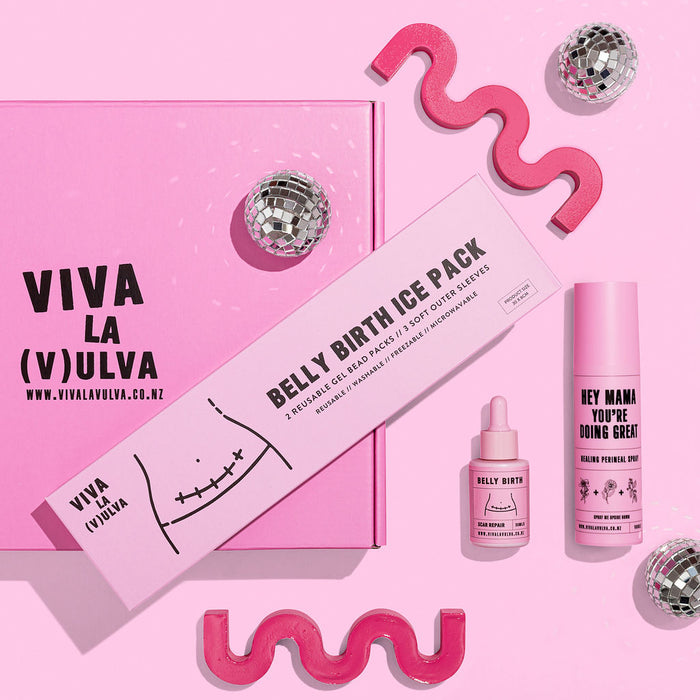
Our Soothing Postpartum Ice Packs are shaped for the perineal area, offering targeted relief without bulk.
Check it out here: Soothing Postpartum Ice Packs
3. Padsicles: Cooling Relief You Can Prep Ahead
If you’ve heard postpartum mamas talk about padsicles, this is what they mean — and yes, they’re worth the hype.
Padsicles are maternity pads infused with soothing, cooling ingredients to ease perineal pain, swelling, and inflammation after birth. They’re especially helpful in the first days postpartum, whether you’ve had stitches, tearing, or just general soreness.
Instead of DIY freezer experiments, our Padsicle Gel makes it simple.
Check it out here: Padsicle Gel
Formulated with calming botanicals like witch hazel, aloe vera, calendula, and hypericum, the gel is designed to be applied directly to a maternity pad — no mess, no prep stress.
How to use padsicles postpartum:
-
Apply a generous layer of Padsicle Gel to a maternity pad
-
Place in the fridge or freezer (or use straight away for gentle cooling)
-
Wear for soothing, targeted perineal relief
Padsicles are particularly helpful:
-
In the first 7–10 days postpartum
-
After a vaginal birth with stitches or tearing
-
When sitting or feeding feels uncomfortable
They’re a small thing that can make a huge difference.
4. Support Tissue Repair with Botanicals
Certain botanicals have been traditionally used to support postpartum healing for generations, including witch hazel, calendula, aloe vera, and hypericum.
The Healing Perineal Spray delivers cooling, soothing support directly where it’s needed — without the need to touch or rub sensitive tissue.
Check it out here: Healing Perineal Spray
Tip: Spray directly onto the perineum or onto a maternity pad.
5. Keep the Area Clean (Without Harsh Products)
Postpartum bleeding (lochia) can last for weeks, making gentle cleansing essential.
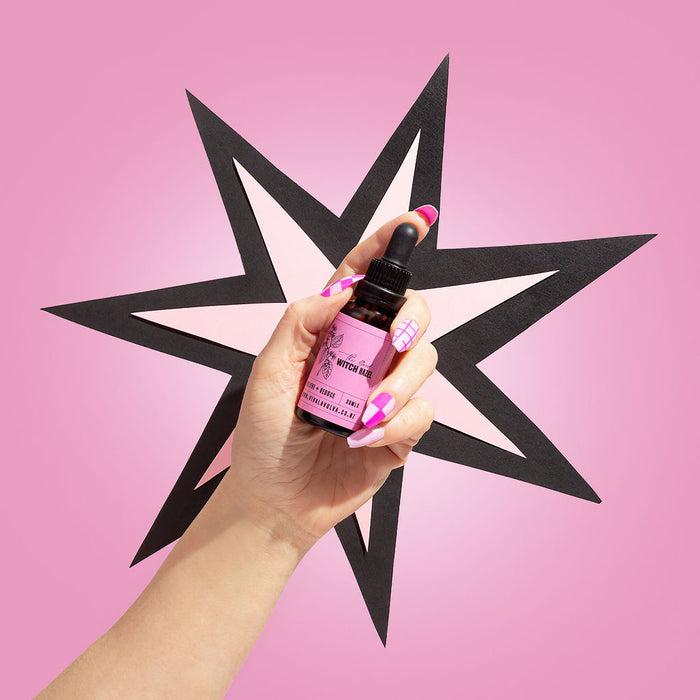
Adding The Good Witch Hazel to your peri bottle or pads can support freshness and comfort without disrupting delicate tissue.
Check it out here: The Good Witch Hazel
6. Slow Down to Heal Better
Healing isn’t something to rush through.
Supporting your perineum might look like:
-
Taking a breath while rinsing
-
Using your spray after every toilet visit
-
Sitting on an ice pack while feeding
-
Resting instead of pushing through
Postpartum healing requires time, not toughness.
Healing with Stitches or Tears
If you’ve had stitches or a tear:
-
Avoid harsh soaps or wipes
-
Rinse instead of wiping
-
Use cooling and soothing support
-
Prioritise rest
If pain increases or something doesn’t feel right, always check in with your midwife or healthcare provider.
When Does Perineal Pain Improve?
For many mamas, pain eases by weeks 2–3, but deeper healing continues well beyond that.
You’re not behind.
You’re not healing wrong.
Your body is doing its job.
Postpartum Care Is Not Extra, It’s Essential
We prepare endlessly for birth, yet rarely prepare for recovery.
That’s why our Postpartum Revival Kit brings together the essentials for comfort, healing, and dignity after birth.
Check it out here: Postpartum Revival Kit
Because crying on the toilet shouldn’t be the vibe.
You've got this, mama xx