





Changes to Your Vagina After Birth (and What’s Normal)
Your body grows a whole human, but somehow, no one really prepares you for what happens after.
Especially when it comes to your vagina.
Search terms like vaginal changes after birth, postpartum vagina, and healing after vaginal birth are some of the most quietly Googled questions in the early weeks postpartum. Not because something has gone wrong - but because so much of this stage is under-explained.
So let’s talk about it properly. Without shame, scare tactics, or pressure to “bounce back.” Because your vagina after birth isn’t broken. It’s postpartum.
What actually happens to your vagina after birth?
Birth is intense physical work. During a vaginal birth, your vaginal tissues stretch far beyond what they ever have before. Muscles lengthen. Blood flow increases. Nerves are compressed. Skin and tissue may tear, even with the gentlest birth.
All of that means your postpartum vagina is expected to look, feel, and function differently for a while.
And that’s normal.
How those changes show up, and how long they last, depends on many things: the length of labour, whether you had tearing or stitches, whether instruments were used, your hormones, your nervous system, and how much rest and support you’re getting.
There is no single postpartum timeline. Healing after vaginal birth is not linear, and comparison rarely helps.
Swelling, soreness, and that heavy feeling
In the days and weeks after birth, many people notice their vulva and vaginal opening feel swollen, puffy, bruised, or achy. Some describe a dragging or heavy sensation, especially when standing or walking for long periods.
This doesn’t mean something is wrong. It’s your body responding to pressure, stretching, and micro-trauma, even if you didn’t tear.
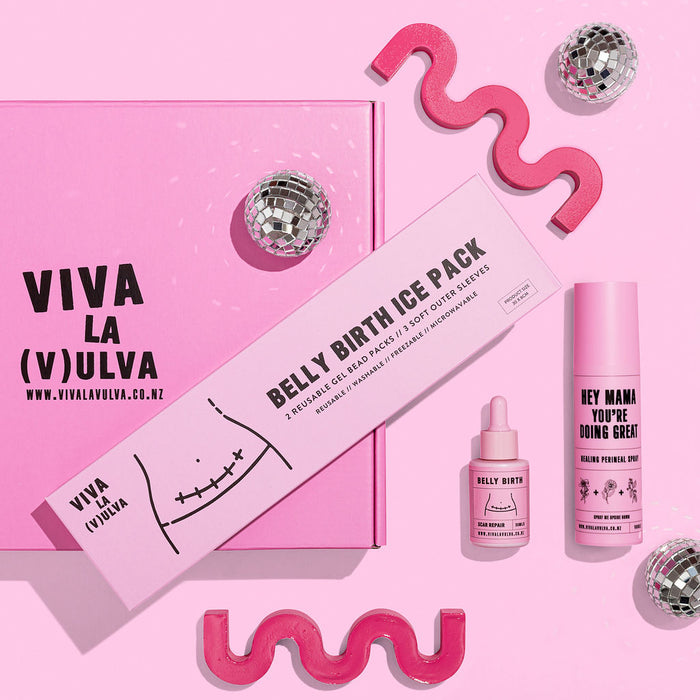
Gentle support can make a real difference here. Many mums find relief from cooling, careful cleansing, and soothing care that doesn’t sting or irritate already-sensitive tissue. Using a peri bottle to rinse rather than wipe can reduce discomfort, while ingredients like witch hazel are traditionally used to calm inflammation and support healing.
Rest matters more than we’re led to believe. If something feels worse when you push through, that’s your body giving you information.
Tearing, stitches, and scar healing
Perineal tears range from small grazes to deeper muscle involvement. Some need stitches; some heal naturally. Either way, healing takes time.
It’s common to notice stinging, pulling, or itchiness as stitches dissolve and tissue repairs itself. Scar tissue can feel tight or tender for weeks or even months.
What’s important is the direction things are heading. Pain should gradually ease, not intensify. If you notice increasing pain, redness, heat, unusual discharge, or fever, it’s important to seek medical advice.
Once healing is established, gentle scar support, often guided by a pelvic floor physio, can help restore comfort and confidence.
Will my vagina feel loose forever?
This is one of the most persistent myths about the postpartum vagina, and it causes a lot of unnecessary fear.
Your vagina is a muscle, not a piece of elastic.
After birth, it may feel different during penetration, less toned, or wider at first. That doesn’t mean it’s permanently stretched. For most people, tone and function gradually return over months, especially with rest, nervous-system regulation, and appropriate pelvic floor rehabilitation.
Tightness is not the goal. Comfort, strength, and function are.
Dryness and hormonal changes (especially if breastfeeding)
Many people are surprised by vaginal dryness postpartum, particularly while breastfeeding. Lower oestrogen levels can lead to dryness, irritation, burning sensations, or discomfort with penetration.
This is hormonal, common, and usually temporary.
Using lubrication, being gentle with your body, and allowing time all matter here. Dryness doesn’t mean something is wrong, it means your hormones are doing exactly what they need to do right now.
Changes in sensation
Some mums notice numbness, reduced sensation, or heightened sensitivity in their postpartum vagina. Nerves that were stretched or compressed during birth can take time to fully recover.
For many, sensation returns gradually over the months following birth. If changes persist or feel concerning, pelvic floor support can be incredibly helpful.
Pelvic floor symptoms postpartum
Your vagina is part of a wider pelvic floor system. After birth, it’s common to experience symptoms like leaking urine, difficulty holding gas, or a feeling of heaviness.
These symptoms are common, but they are 'normal' and not something you have to simply live with.
Pelvic floor physiotherapy can play a key role in postpartum recovery, helping you rebuild strength, coordination, and confidence in a way that supports healing rather than rushing it.
Sex after birth: no rush, no rules
There’s no universal moment when sex suddenly feels normal again after birth.
Some people feel ready early. Others don’t feel interested for months. Many feel nervous, disconnected, or sore the first few times, or all of the above.
Comfort usually improves with time, communication, lubrication, and gentle re-entry. Pain is a signal to pause, not something to push through.
Your body deserves patience.
Supporting vaginal healing postpartum
Real postpartum care is often made up of small, practical choices.
Using a peri bottle to support hygiene without friction. Soothing ingredients like witch hazel in the early weeks. Cooling support when swelling is present. Breathwork, rest, and nervous-system regulation.
These aren’t luxuries. They’re part of healing after vaginal birth.
When to seek extra support
If you’re experiencing ongoing pain, discomfort with penetration that isn’t improving, heaviness or bulging sensations, concerns about stitches or scarring, or emotional distress connected to your body or birth, support is available, and you deserve it.
Postpartum recovery is not meant to be done alone.
Your postpartum vagina is not ruined.
It’s healing. It’s adapting. It’s learning a new normal, just like you are.
At Viva La Vulva, we believe postpartum care is essential, not optional. Supporting your body, especially the parts no one warned you about, is part of caring for your whole family.
We’re here for real recovery, honest conversations, and the messy middle of healing. x