





Why Does It Burn When You Pee After Birth?
The midwife asks if you've had a wee yet. You have not. You are in no rush. Because you already know — from the whisper network of mamas who've been here before you — that this is going to be an experience.
And then it is.
That burning, stinging sensation when you pee after birth is one of the most common postpartum surprises, and one of the least talked about before it happens. So here's what's actually going on, how long it lasts, and what makes it better.
Why it burns, what's actually happening
Your perineum and vulva have just been through childbirth. Even without tearing or stitches, there's swelling, bruising, and microscopic skin disruption across the whole area. Urine is acidic. When it makes contact with any of that, even the smallest graze or area of inflammation, it stings. That's it. That's the whole explanation.
If you do have stitches or a perineal tear, the burning tends to be more pronounced because urine is coming into direct contact with open tissue. Same reason it stings when you get lemon juice on a cut. Your skin is raw and healing, and urine is not gentle on raw skin.
It doesn't mean anything is infected. It doesn't mean something has gone wrong. It means you just had a baby and your body is healing.
How long does it last
For most mamas, the burning is worst in the first two to four days and improves significantly through the first week. By two weeks postpartum most people aren't finding bathroom trips particularly eventful anymore, though "particularly eventful" is doing a lot of work in that sentence.
If you've had a larger tear or an episiotomy, it can take a bit longer to settle. That's normal too.
What actually helps
A peri wash bottle, this is the one.
Fill it with warm water, start squeezing before you wee, and keep going throughout. The warm water dilutes your urine before it reaches your skin and that's genuinely where the relief comes from — it changes the chemistry of what's touching the wound. Most mamas describe going from a 7/10 bathroom experience to a 2/10 once they start using one. If you're in hospital and they give you a basic one, take it. If you're preparing your hospital bag, pack your own Peri Wash Bottle — it's the single most impactful thing in the whole postpartum kit for those first days.
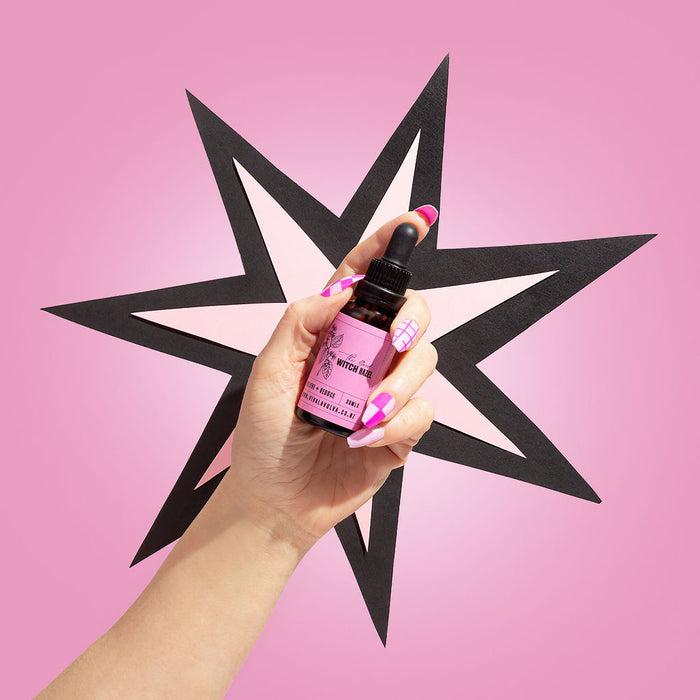
Adding a few drops of Good Witch Hazel to the water takes it further. Witch hazel is anti-inflammatory and cooling — it soothes the tissue at the same time as the water is diluting the urine. A lot of mamas find this combination makes bathroom trips almost manageable.
Warm water, not hot.
It sounds obvious but cold water will make you flinch and hot water can irritate already sensitive tissue. Warm, comfortable bath temperature, every time.
Pat, don't wipe.
After you're done, soft toilet paper patted gently from front to back. Wiping across healing tissue is adding friction where there really doesn't need to be any.
Healing Perineal Spray after every trip.
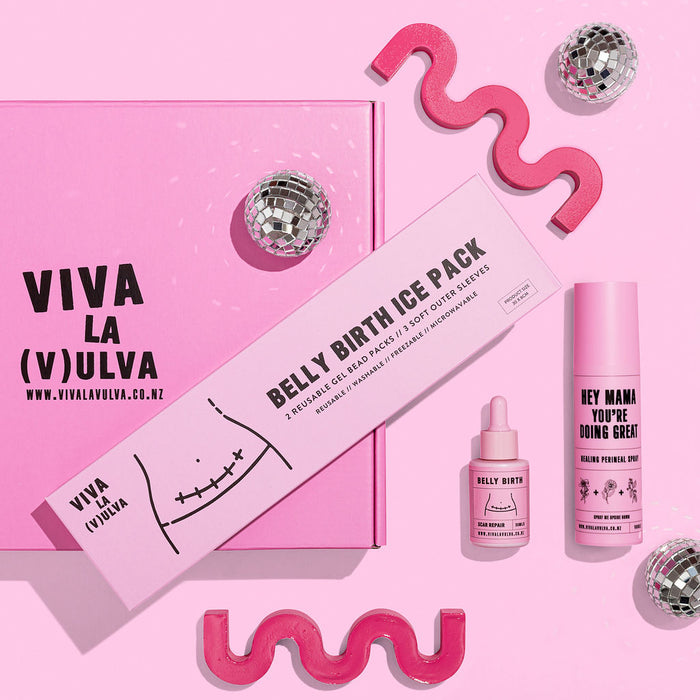
Once you're dry, a spritz of Healing Perineal Spray directly on the perineum keeps the healing going between bathroom trips. Witch hazel, calendula, and hypericum, soothing, anti-inflammatory, and actively supporting tissue repair every time you use it. Keep it on the back of the toilet so it becomes automatic.
Drink more water than you think you need.
Concentrated urine stings more. Staying well hydrated dilutes your urine naturally and makes every trip a bit more bearable. It also supports healing and milk supply, so there's genuinely no downside here.
Let the area breathe when you can.
Big, soft, breathable underwear. Nothing tight. Change your pad regularly. Air circulation is genuinely helpful for healing tissue.
When to talk to your midwife
The burning we're describing is normal postpartum discomfort, it's your body healing. But there are signs that something else might be going on that's worth getting checked.
Talk to your midwife or LMC if:
- The burning is getting worse rather than better after the first week
- You have a fever alongside the burning or pelvic pain
- Your urine smells strongly or looks cloudy or bloody beyond normal postpartum bleeding
- There's unusual swelling, redness, or discharge from the perineal area
- Something just feels off — trust that
A UTI (urinary tract infection) is more common in the postpartum period than most people realise, partly because of catheter use in labour and partly because your immune system has a lot going on right now. The symptoms can overlap with normal postpartum burning, so if the discomfort isn't tracking the right direction after a week, it's always worth checking.
Frequently asked questions
Is it normal for it to burn when you pee after birth?
Yes, very. Urine is acidic, and your perineum and vulva are swollen and healing after birth, even without tearing or stitches. The burning is your skin's response to that contact. It's uncomfortable but it's normal, and it improves significantly within the first week for most mamas.
How long does the burning last after birth?
Most mamas find it's worst in the first two to four days and settles considerably through the first week. By two weeks postpartum, most people aren't finding it particularly significant. If you've had a larger tear or episiotomy, it can take a little longer.
What helps with burning when peeing after birth?
A peri wash bottle with warm water is the most effective immediate relief — diluting urine before it touches healing skin is the key. Adding witch hazel to the water helps further. Staying well hydrated so your urine is diluted, patting dry rather than wiping, and using a healing perineal spray after every trip all make a meaningful difference.
Does it burn more with stitches?
Often yes — stitches or perineal tears mean urine is contacting open tissue rather than just inflamed skin. The peri bottle is even more important in this case. Warm water rinsing is recommended by midwives for perineal stitches specifically.
Can burning when you pee after birth be a UTI?
It can be, yes — and UTIs are more common postpartum than many people expect. The difference is usually that normal postpartum burning improves over the first week as healing progresses, whereas a UTI tends to persist or worsen. If you also have fever, strong-smelling urine, or pelvic pain, talk to your midwife or LMC.
Does this happen after a belly birth, too?
Sometimes, even without a vaginal birth, your urethra and surrounding area can be affected by labour, catheter use, and general postpartum swelling. It's less common and usually milder, but a peri bottle can still help.
The first few trips to the bathroom after birth are not going to be highlights. But with a peri bottle, warm water, and a bit of witch hazel, they get significantly more manageable, often within the first day of using it.
Your body is healing. Give it what it needs. 💗
— The VLV Team
Read next: How to Use a Peri Wash Bottle After Birth | First Poo After Birth: What to Expect
Shop: Peri Wash Bottle | Good Witch Hazel | Healing Perineal Spray