





The Language of Postpartum: A Crash Course
Welcome to the fourth trimester—a whirlwind of emotions, changes, and new beginnings. Along with the midnight feeds and baby snuggles comes a whole new vocabulary. Understanding these terms can help you feel more in control and supported during this transition. Here’s your crash course in the language of postpartum:
Lochia
The postpartum discharge your body produces as it heals—starts bright red and fades to pale over a few weeks. It’s your body’s way of saying, "We’ve got this." You can read more about that here
Engorgement
When your breasts feel overly full, swollen, and sometimes painful as your milk supply comes in. Gentle nursing, pumping, or warm compresses can help ease the discomfort. (Grab some Breasties to help with this!)
Meconium
Your baby’s first poop—thick, sticky, and tar-like. It’s all part of their digestive system getting started.
The Golden Hour
That precious first hour after birth when you and your baby meet skin-to-skin. It’s bonding at its purest, setting the stage for breastfeeding and connection.
Cluster Feeding
When your baby feeds like they’re at an all-you-can-eat buffet. It’s exhausting, but it’s how they build your milk supply—and trust me, it’s temporary.
Let-Down Reflex
That tingling or full sensation as milk flows during breastfeeding (or sometimes just when you hear your baby cry). It’s your body’s magic milk signal.
Postpartum Chills
Sudden, intense shivering or chills after delivery, often caused by hormonal shifts or the physical exertion of birth. Snuggling under blankets usually helps.
Perineum
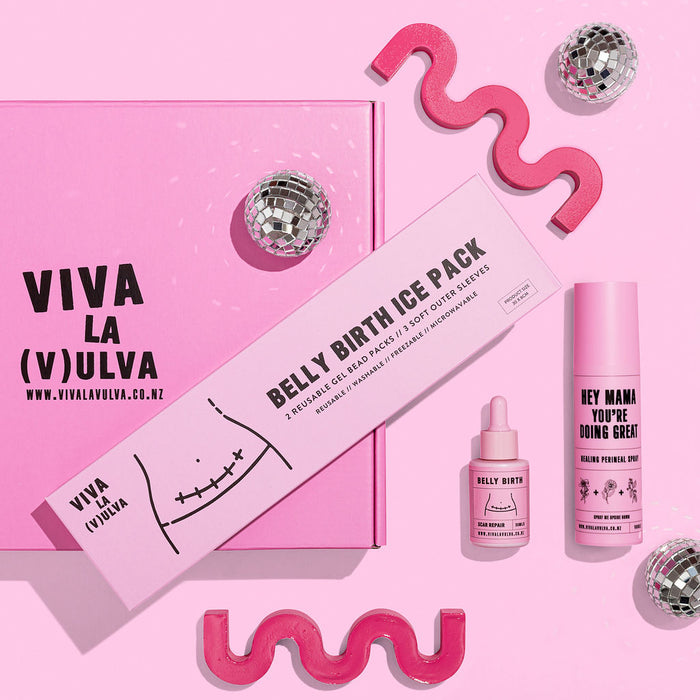
The area that takes the brunt during birth. Whether it’s sore or healing from stitches, love it with Viva La Vulva Products here, and lots rest and TLC.
Perineal Tear
A common occurrence during vaginal birth, where the area between the vagina and anus tears as the baby is born. Tears are graded from first degree (small and surface-level) to fourth degree (deeper into muscle tissue). Recovery involves rest, ice packs, and gentle care—plus some serious bragging rights for what your body just did! (Check out our Perineal power pack to help with your recovery)
Haemorrhage
Excessive bleeding after birth—rare but serious. Heavy soaking pads or large clots? Call your healthcare provider stat.
Colostrum
Your baby’s first superfood: thick, golden milk packed with nutrients and antibodies. A little goes a long way in those first few days.
Oxytocin
The “love hormone” that helps you bond with your baby, contract your uterus, and feel all the feels. Breastfeeding and cuddles help boost it. (Here’s more info about your hormones)
Baby Blues
Feeling teary, overwhelmed, or a little out of sorts in the first couple of weeks? Totally normal. If it lasts longer, it’s worth checking in with a pro.
Night Sweats
Waking up drenched? It’s your body’s way of flushing out pregnancy fluids. Stay hydrated and layer up with breathable fabrics.
Fundus
The top of your uterus, which your midwife or health professional will check to ensure it’s shrinking back down. It’s a weird but important part of postpartum recovery.
Afterpains
Like period cramps but with a purpose—your uterus is shrinking back to its pre-baby size, especially while breastfeeding. Heres what can help (link to blog)
Milk Ejection Reflex (MER)
The technical term for when your milk flows. (Let-down just sounds cooler, right?)
Dysphoric Milk Ejection Reflex (DMER)
A sudden wave of negative emotions (like sadness or anxiety) right before your milk lets down. It’s caused by a hormonal shift and only lasts a few minutes, but it’s completely real—and you’re not alone.
Placental Delivery
The final stage of labour: delivering the placenta. Your body isn’t done working just because the baby is out!
Mastitis
A painful breast infection that makes you feel like you’ve got the flu. Early treatment and nursing through it can make a world of difference. Let your midwife or healthcare professional know if you think you may be developing symptoms asap!)
Prolapse
When your pelvic floor needs a little extra support after delivery. Pelvic floor physio is your best friend here.
Sitz Bath
A warm soak for your perineum to soothe and heal. Bonus: it’s a mini moment of “me time.” Check out our Postpartum Healing Bath Soak to help with this!
Postpartum Insomnia
Can’t sleep even though you’re beyond exhausted? Hormones and anxiety are usually the culprits—ask for help and sneak naps when you can.
Skin-to-Skin Contact
Cuddle your baby on your chest to regulate their breathing, temperature, and heart rate—and fall even more in love.
Babywearing
Hands-free snuggles? Yes, please. Wrap your baby close and get stuff done (or just have coffee with two hands).
Postpartum Depression (PPD)
More than just the blues—if you’re feeling persistently low, anxious, or disconnected, reach out. Support is out there, and you’re not alone.
Birth Trauma
Physical or emotional distress from childbirth. It’s real, it’s valid, and healing takes time and support.
Tongue-Tie
A tight tissue under your baby’s tongue that can make breastfeeding tricky. A specialist can help if needed.
Postpartum Anxiety (PPA)
If worries are keeping you awake or spiralling, it might be PPA. Support from a therapist or doctor can help you feel like yourself again. Let your midwife or healthcare professional know if you have any symptoms - you are not alone!
Diastasis Recti
When your abs take a break from each other after pregnancy. It’s common and Physical therapy with the right gentle excersizes can help bring them back together.
Meconium
Your baby’s first poo—a tarry, sticky mess you’ll never forget. It’s a sign their little system is kicking into gear.
Lanugo
The soft, fuzzy hair some babies are born with. It’s like a temporary peach fuzz coat.
Postpartum Edema
Swelling in your feet, hands, or face after giving birth, often due to fluid retention from pregnancy and labor. Staying hydrated and elevating your feet can help.
Postpartum Eclampsia
A rare but serious condition involving high blood pressure and possible seizures after childbirth. If you experience severe headaches, blurred vision, or swelling, seek immediate care.
Postpartum Hemorrhoids
Swollen veins around the rectum due to pushing during labor or pregnancy pressure. Sitz baths, cooling pads, and gentle care can ease the discomfort.
Postpartum Joint Pain
Hormonal shifts (thank you, relaxin!) can make joints feel loose or sore postpartum, especially in the wrists, knees, and hips. Gradual movement and physical therapy can help.
Postpartum Fatigue
Not just "I didn’t sleep last night" tired, but bone-deep exhaustion from birth recovery, hormonal changes, and caregiving. Rest when you can and lean on your support system.
Perineal Swelling
Common after vaginal birth, swelling in the perineal area can be soothed with cold packs, sitz baths, or witch hazel pads.
Postpartum Scar Tissue
Whether from a C-section or perineal tear, scar tissue can sometimes feel tight or uncomfortable. Massage and gentle care can help with healing and mobility.
Postpartum Involution
The process of your uterus shrinking back to its pre-pregnancy size. It can take about six weeks and is often accompanied by afterpains.
Postpartum Scar Tissue
Whether from a C-section or perineal tear, scar tissue can sometimes feel tight or uncomfortable. Massage and gentle care can help with healing and mobility.
This wild postpartum journey comes with highs, lows, and everything in between. Knowing the lingo can help you feel more prepared and empowered—but remember, no matter what, you’ve got this. And you’re not alone.
What postpartum term surprised you most? Share your thoughts or pass this on to a mama-to-be who might find it helpful!