





Haemorrhoids and Constipation in Pregnancy and Postpartum
Pregnancy and those first weeks postpartum already ask a lot of your body. You’re growing a human, birthing a human, feeding a human… and then constipation or haemorrhoids decide to join the party like uninvited guests.
Haemorrhoids and constipation in pregnancy and postpartum happen because of hormones, pressure, and recovery, not because you’re doing anything wrong. And while they’re talked about in books and appointments, the how to actually deal with it part often gets glossed over.
So let’s do that properly.
Constipation in Pregnancy: Why It Happens
Constipation during pregnancy is very common. For some women, it starts early, for others it ramps up later on.
A few main reasons:
Hormones
Progesterone slows digestion. Food moves through your bowel more slowly, stools dry out, and going to the toilet takes more effort.
Physical pressure
As your uterus grows, there’s less room in the pelvis. Your bowel gets compressed, which makes regular bowel movements harder.
Iron supplements
Iron is often essential in pregnancy, but constipation is a well-known side effect.
Changes in movement and routine
Less movement, different eating patterns, and disrupted routines all affect gut function.
Constipation often leads to straining, and straining is a big contributor to haemorrhoids.
Constipation After Birth: Still Normal, Still Annoying
Postpartum constipation is just as common, sometimes more so.
Reasons include:
-
Fear of the first bowel movement after birth
-
Perineal swelling or stitches
-
Abdominal surgery (belly birth)
-
Pain relief medications
-
Dehydration, especially if breastfeeding
-
Exhaustion and stress
Many women also hold tension through their pelvic floor after birth without realising it, which makes relaxing enough to poo harder than it should be.
What Are Haemorrhoids?
Haemorrhoids are swollen veins in or around the anus. They can be internal or external and may show up during pregnancy, after birth, or if you're one of the lucky ones - both.
Common symptoms include:
-
Pain or pressure
-
Itching or burning
-
Bleeding when wiping
-
Swelling or a lump
-
Discomfort when sitting or using the toilet
Pregnancy increases blood volume and pressure in the pelvis. Labour and pushing can add to that pressure. And yes, haemorrhoids can still happen after a belly birth. Pregnancy alone can be enough.
Why Constipation and Haemorrhoids Often Go Together
This is the cycle many people get stuck in:
Constipation leads to straining.
Straining worsens haemorrhoids.
Haemorrhoids make going to the toilet painful.
Pain makes you avoid going.
Avoiding makes constipation worse.
Breaking that loop is the goal.
Managing Constipation in Pregnancy and Postpartum
The aim isn’t forcing your body, it’s making things easier to pass.
Hydration
You need more fluid than you think, particularly if you’re breastfeeding. Little and often works better than trying to chug water.
Fibre (don’t rush it)
Fibre helps, but adding too much too fast can cause bloating and discomfort.
Gentler options include:
-
Oats
-
Kiwi fruit
-
Stewed pears
-
Vegetables
-
Psyllium husk - Check out our collab with our pals at No.2 Psyllium Power
Don’t ignore the urge
Holding it in allows stools to harden. If your body says it’s time, try to listen.
Toilet positioning
A small stool under your feet can reduce strain by improving alignment.
Relax where you can
Stress and rushing make constipation worse. Slow breathing and allowing time on the toilet actually matter.
Managing Haemorrhoids (Because They’re Uncomfortable)
You don’t need to just “wait it out”.
Cold therapy
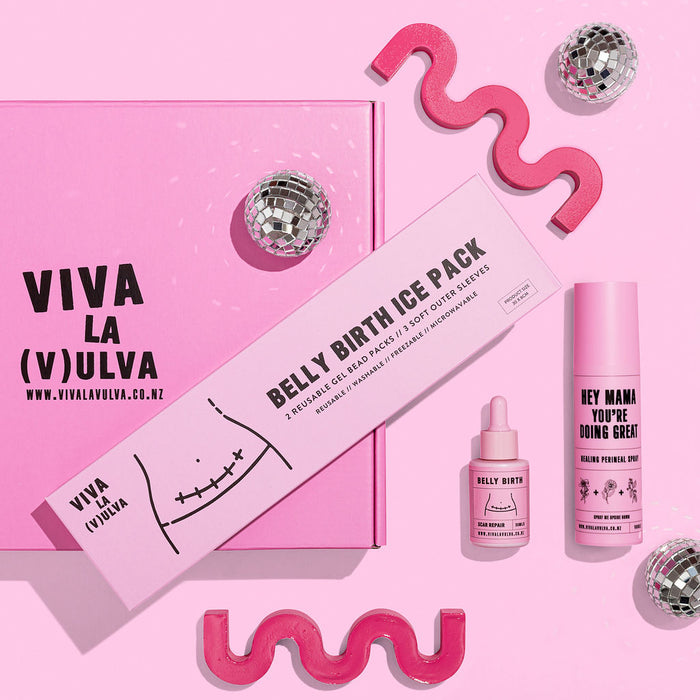
Cold can help reduce swelling and discomfort. Postpartum ice packs designed for the perineal area can also help soothe haemorrhoids.
Witch hazel support
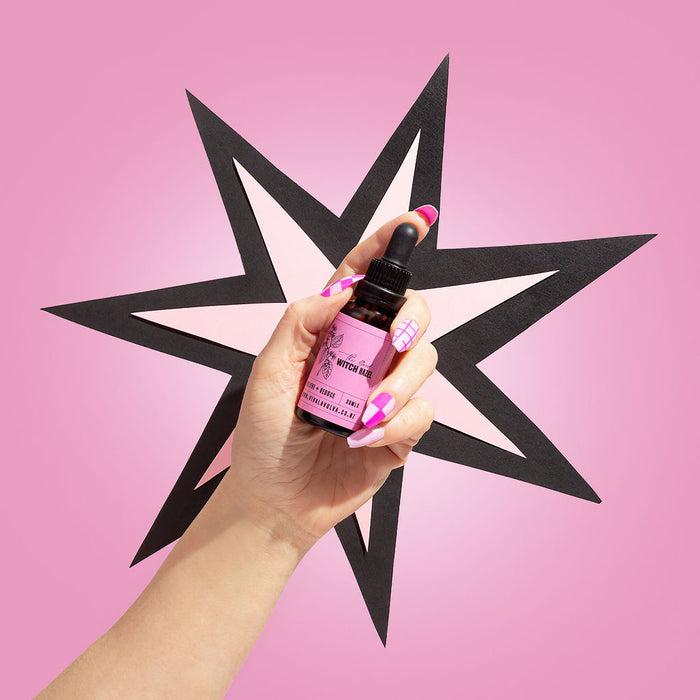
The Good Witch Hazel has traditionally been used to calm irritated tissue.
Using witch hazel diluted in a Peri Wash Bottle after toileting can:
-
Cleanse gently without wiping
-
Reduce irritation
-
Support healing
This is commonly used postpartum for both perineal healing and haemorrhoids.
Skip dry wiping
Dry toilet paper can irritate already inflamed tissue. A peri bottle rinse is much gentler during pregnancy and postpartum.
Warm baths and sitz baths
Warm water can help relax muscles and increase blood flow, easing discomfort when used regularly. You can add in some magic healing powers of our Postpartum Bath Soak
The First Postpartum Poo
The first bowel movement after birth gets talked about for a reason, it can be uncomfortable, and the fear around it is very real.
A few practical reminders:
-
Take your time
-
Breathe slowly
-
Don’t strain
-
Use a Peri Wash Bottle before and after
-
Support the perineum if needed
If it’s uncomfortable, that doesn’t mean something is wrong. It means your body is still recovering.
When to Get Extra Support
Constipation and haemorrhoids are common, but you should seek advice if you experience:
-
Severe pain
-
Heavy bleeding
-
Symptoms that aren’t improving
Your LMC - midwife, GP, pelvic health physio, or pharmacist can help.
This Is Part of Postpartum Care
Bowel care isn’t a side issue. It affects comfort, recovery, and daily life.
Supporting constipation and haemorrhoids is a normal and valid part of pregnancy and postpartum care, and something you deserve real support with.