




Matrescence: The Identity Shift of Becoming a Mother (And Why Postpartum Feels So Big)
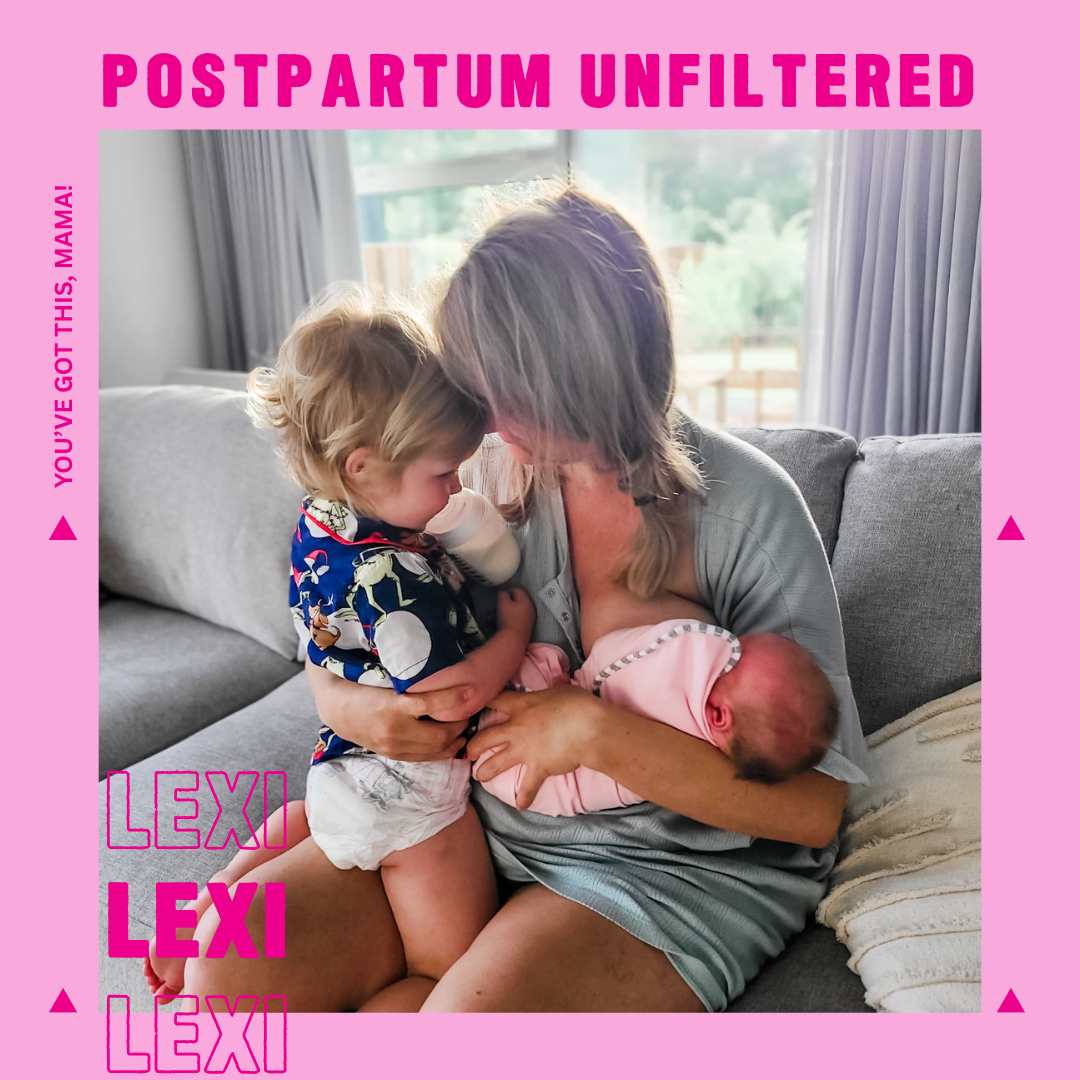
Becoming a mother doesn’t just change your days.
It changes you.
Your body moves differently.
Your brain responds differently.
Your emotions feel deeper.
Your priorities rearrange themselves.
Your sense of self quietly, and sometimes painfully, evolves.
For many women, postpartum isn’t just exhausting.
It’s disorienting. Emotional. Transformational.
There is a word for this experience.
Matrescence: the developmental process of becoming a mother.
And once you understand it, so much of postpartum finally makes sense.
What Is Matrescence? (The Meaning Behind the Motherhood Transition)
Matrescence refers to the physical, emotional, psychological and identity transformation that happens when a woman becomes a mother.
Much like adolescence marks the transition from childhood into adulthood, matrescence marks the transition into motherhood.
But unlike adolescence, which society openly acknowledges, studies, and supports, matrescence is rarely talked about.
Yet it involves:
• major hormonal shifts
• neurological changes in the brain related to caregiving and attachment
• physical recovery and body identity changes
• emotional vulnerability and intensity
• evolving relationships
• a reshaping of personal identity
This is why postpartum can feel overwhelming even when everything is “going well”.
You’re not just healing. You’re becoming.
Who Coined the Term Matrescence?
The word matrescence was coined in the 1970s by anthropologist Dana Raphael.
She observed that while we treat adolescence as a major life transition, complete with emotional upheaval and social understanding, we had no equivalent language for the equally profound shift into motherhood.
Raphael described matrescence as a developmental stage rather than a single life event.
In other words:
Becoming a mother is a process, not a moment.
(There is a brilliant TED Talk of by Alexandra Slacks hat explains this beautifully and is worth linking for deeper understanding.) Here
A new way to think about the transition to motherhood | Alexandra Sacks
Why the Word Matrescence Is Gaining Attention Now
Recently, the motherhood platform Peanut launched a campaign highlighting that matrescence still isn’t widely recognised in dictionaries.
Their message was simple but powerful:
When we don’t name something, we don’t properly support it.
And for generations, motherhood has been treated as something women should instinctively adjust to,quietly, quickly, and without much discussion about the identity shift involved.
We celebrate babies.
We prepare for birth.
We focus on “getting back to normal”.
But we rarely talk about the emotional transformation of becoming a mother.
Matrescence finally gives language to what so many women feel but struggle to explain.
How Matrescence Shapes the Postpartum Experience
Postpartum recovery is often framed as a short physical healing window.
But matrescence unfolds over months, and often years.
While your body heals from pregnancy and birth, your brain adapts to caregiving, your hormones recalibrate, and your identity shifts to accommodate a new role that never truly switches off.
This is why postpartum can feel:
• emotionally raw
• deeply intense
• overwhelming at times
• joyful and heavy simultaneously
• like you’re not quite your old self anymore
Nothing is wrong. This is what a major life transition feels like.
Understanding matrescence removes shame and replaces it with compassion.
Why Planning for Postpartum Makes This Transition Softer
Most families spend months preparing for birth.
Very few prepare for postpartum.
Yet postpartum is where the physical recovery, emotional shifts and identity changes all collide at once.
Planning for postpartum isn’t about controlling every outcome.
It’s about creating support around one of the biggest transitions of your life.
This can include:
• arranging meals and rest
• lining up emotional and practical support
• having honest conversations with partners
• preparing for recovery needs
• understanding the emotional side of motherhood
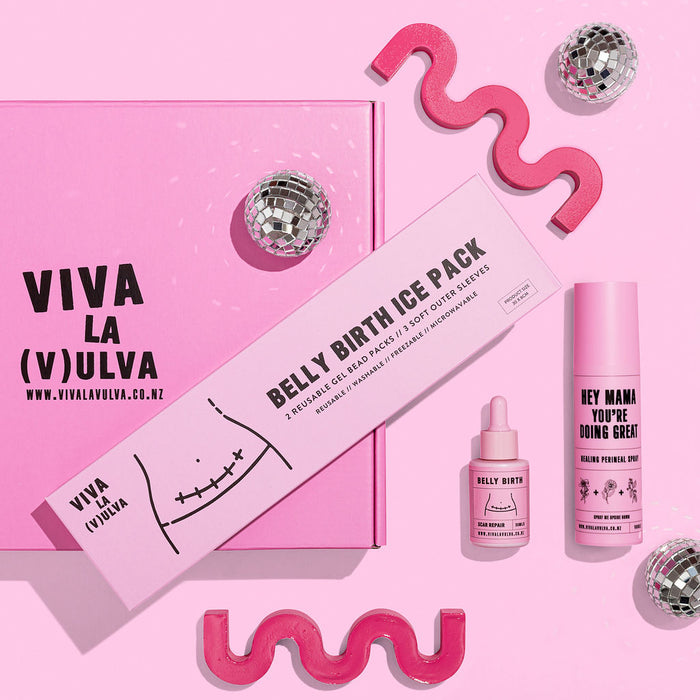
Our postpartum planning cheat sheet was created to guide mums through these often-overlooked areas, helping make the early weeks gentler and more supported.

A Book That Explains the Becoming
One of the most powerful resources on this topic is:
Matrescence: On the Metamorphosis of Pregnancy, Childbirth and Motherhood
It explores the science, psychology and lived experience of becoming a mother, giving language to emotions many women feel but rarely see reflected in mainstream postpartum conversations.
You’ll find it inside our Resources for Mamas collection, alongside other tools designed to support emotional wellbeing, identity shifts and postpartum preparation — not just physical recovery.
Why Viva La Vulva Exists
Viva La Vulva was created because postpartum deserves to be treated as a major life transition, not an afterthought.
Because recovery isn’t only physical.
Because matrescence deserves recognition.
Because mothers deserve preparation, care and support.
When women understand matrescence, they stop blaming themselves for feeling overwhelmed.
They start realising:
This is a transformation.
And transformation requires support.
Becoming a mother is not a moment in time.
It is a process of becoming, one that deserves compassion, planning and community.