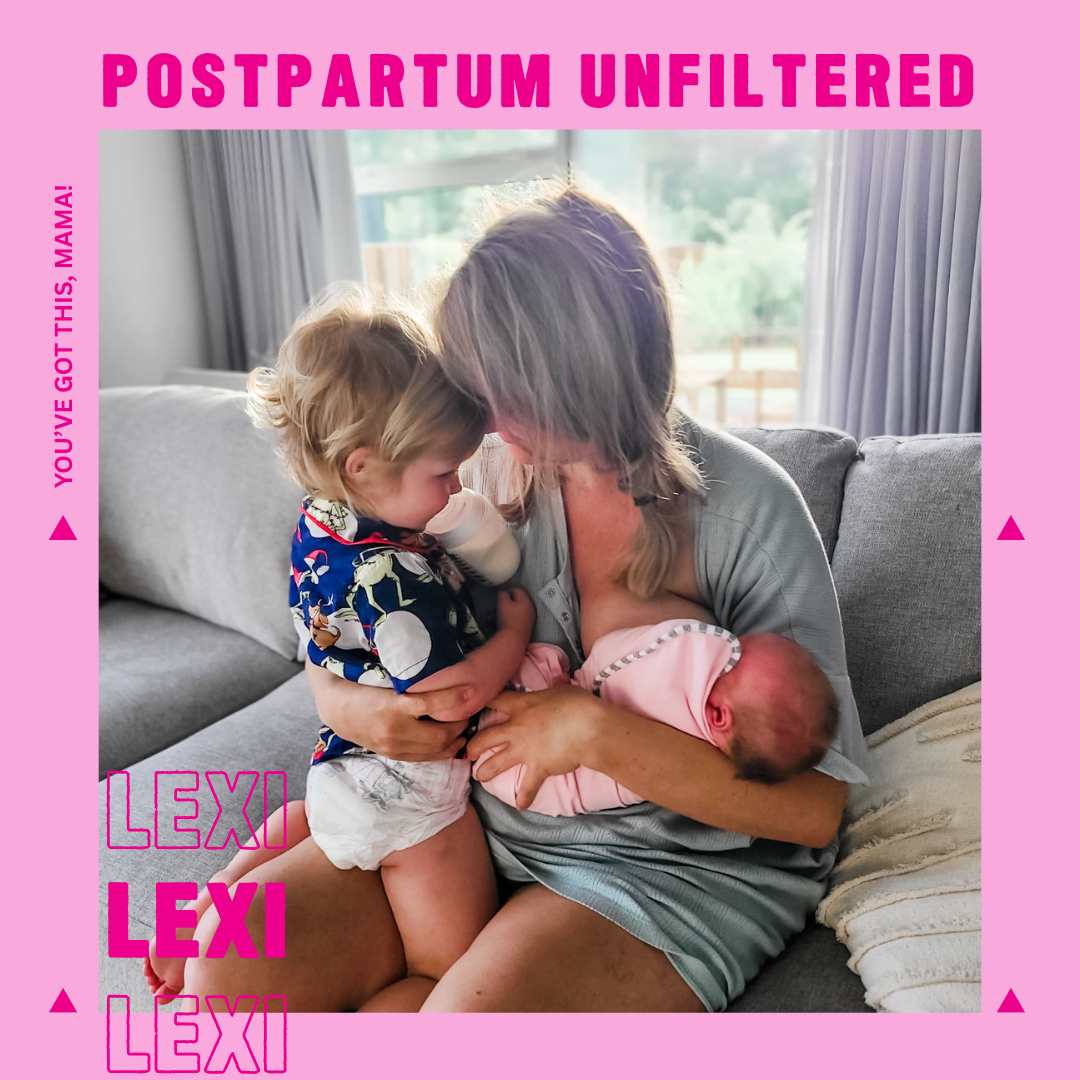





The cultural context of becoming a mother in Aotearoa, @phdmama explains!
Understanding the cultural context of becoming a mother is just as valuable as an antenatal class and a birth plan - written by Charlotte Bruce Kells @phdmama
So, you’re going to be a new mum? Congratulations! Welcome to the absolute ride that is modern motherhood. You’ve done your research: you have a solid birth plan, and you’ve expressed five little syringes of colostrum for your bub. You have the best car seat installed in the car and ready to go, and the pram and bassinet attachment to match. You’ve attended an antenatal class, hypnobirthing seminar, and you have the best local lactation consultant on hand to help establish breastfeeding once the baby has arrived. You’ve read What To Expect When You Are Expecting and Ina May’s Guide To Childbirth cover-to-cover, twice. You have done everything everyone has told you to do, followed all the rules, and spent all the money you had in your designated baby savings account. This means when the baby comes, you will be ready for what comes next, right? …. RIGHT?!
I’m sorry to break it to you, but no amount of birth and antenatal prep means that there aren’t going to be some tough moments in your journey through being a new parent. One consistent gap in new parents’ knowledge going into parenthood that I am increasingly passionate about is an understanding of the social, cultural, and political conditions under which mothers and families exist – and how we can change some of these not-so-great expectations of parenting.
For those of you reading who haven’t come across me and my work before, Kia ora! I’m Charlotte. I am a researcher finishing up my PhD in sociology and gender studies, and I have the absolute pleasure of my research revolving around the experiences of first-time mothers in Aotearoa. I also have two little girls, and my own experience of being a mother plays a vital role in the work and research that I do. The experience of being a parent, in particular being a mother, is not a neutral or apolitical one nor do we exist in a vacuum. There is a tonne of cultural context that exists around being a mum. As you move through the journey of becoming a mother, you will notice that this cultural context, more than the bodily experiences, more than the sleepless nights, and more than the decisions around which baby monitor to buy, is what ends up being one of the trickiest parts of your experience.
In my work, I talk a lot about the cultural construction of the ideal mother and the impact this has on new mothers’ experiences of early motherhood. Essentially, this is all the things we have been told are ‘true’ about motherhood, and what it means to be a ‘good’ mum throughout our lives. No one (hopefully) sits us down and says point blank that you need to be in your 30s, married, and have a full-time job before you have a baby; or that to do it right you need to have a drug and intervention free birth, and then exclusively breastfeed until your baby is two to be a good mum (although, if you do have a person in your life like this, I feel for you). Despite no one directly telling us that this is what is expected of us in order to achieve the (impossible) standard of the ‘good’ mum, we still get this messaging throughout our lives. These images come from heaps of sources, but primarily through images of and reactions to celebrity mothers, news stories, movies, TV shows, and, more recently, social media. Nowadays, the second we get a positive pregnancy test, the algorithm kicks into gear to communicate what we need to buy, learn, practice, and engage with in order to feel like we are doing it ‘right’. This is what I mean when I talk about the cultural construction of the ideal mother.
It’s not just the media that conveys these messages to us, either. They are also communicated and made a more powerful force in our lives by the societal structures around us. For example, you’ve likely come across a lot of content where the mother is represented as the parent who is always available to the baby. She is kind, patient, and loving 24/7. This figure of the mother is a pretty common cultural norm, communicated to us through the media. But, this idea of the ideal mother being the one doing most of the childcare is made stronger by Paid Parental Leave (PPL) entitlements in Aotearoa, where only the mother is eligible for PPL immediately after birth. Not only is the mother now represented to us as the default parent to her new baby by the media, but government policy makes this social construction stronger in practice. Both of these things work together to make us feel like it’s the mum's natural job to be the default parent to her new baby (and then toddler, and then child, and then teen). We have an ingrained sense that this is just natural and how it’s always been – when the reality is this has all been socially constructed and reinforced to us. There is a world (we only have to look to the Nordic countries' PPL entitlements) where fathers, partners, and grandparents can also take leave to care for new babies immediately after birth and in the months that follow.
The central motivation of the work I do is to research all of the things bubbling (seemingly) beneath the surface that impact our sense of self as we become mothers, but also how these things materially impact the way we move through the world as parents. Despite decades of feminist activism and strides toward gender equality, mothers remain disproportionately the people who take on the vast majority of the physical, mental, and emotional labour and day-to-day care that goes into raising our tiny humans. On top of this massive workload, we also have an enormous amount of cultural expectations heaped onto us about what we need to be doing in order to be the best mum possible.
These cultural expectations greatly impact our journey as mothers and parents. It iis my belief that understanding the cultural construction of motherhood and the gendered myths that are prevalent in expectations of parenting will help to relieve some of the pressure felt by so many new parents. While we are at it, it might also lead to positive change in the expectations of how children should be raised, and who does the bulk of the work to make this happen. So, if you want to learn more about motherhood and parenting from a gender and sociological perspective, follow along on my academic journey and research (and while you are at it, if you have a baby daddy get him to follow too – because it’s not just the mums that need to know this stuff!).
Charlotte’s Key Takeaways!
- Social media is a powerful force in the cultural construction of the ideal mother. Take notice of how accounts make you feel, and if it’s not good get acquainted with the unfollow button. If social media personalities are ‘experts’ in an area, check their qualifications before you feel like you have to take on board their advice!
- Unfortunately, like social media there are businesses and products that profit off parent’s fears and insecurities around not being a ‘good’ mum. You only need to purchase things that are important and helpful for your parenting journey - try and tune out any predatory marketing.
- “Culturally constructed” does always equal “bad”. There are plenty of aspects of motherhood and parenthood that come from our diverse cultural backgrounds and experiences. These things can bring us immense joy and support as parents. Talk with your partner, family and friends about what cultural aspects of parenting are important to you and why, and try bin the expectations that create pressure.
Want to read more from Charlotte PhD mama, see what else she is up to? You can find her here: @phdmamanz | https://phdmamanz.substack.com/