




C-Section Scar Care: A Guide to Healing After a Belly Birth
There’s a moment after a belly birth where everything shifts.
Your baby is here. Your body has been through surgery. And somewhere in between the feeds, the checks, and the exhaustion… you’re sent home to recover.
You’ll likely have beautiful support from your midwife in those early weeks, and that care matters so much. But when it comes to C-section recovery and scar care, a lot of the ongoing guidance can feel a bit unclear.
So this is here to gently fill that gap. To help you understand what’s happening in your body, and how to support your healing in a way that actually feels doable.
Your scar is more than what you can see
From the outside, a C-section scar can look small. Sometimes, it even heals quite quickly.
But underneath, your body has done something much bigger.
A caesarean birth moves through multiple layers, skin, fat, fascia, connective tissue, and uterus. As your body heals, it rebuilds these layers using scar tissue. It’s strong and protective, but it can also be a little tighter and less flexible than the original tissue.
Sometimes, if that tissue settles without much movement, it can create a feeling of pulling, numbness, or tightness. For some women, it can even show up in places that don’t seem directly related, like the lower back, hips, or pelvic floor.
Nothing about this means something has gone wrong. It’s simply how the body heals, and why a little support can make a meaningful difference.
Recovery doesn’t begin (or end) at six weeks
There’s often a lot of focus on the six-week check, but healing after a C-section is much more gradual than that.
In the early days, your role isn’t to “do” much at all. It’s to allow your body to close, to rest where you can, and to support the area as it heals.
Keeping the incision clean and dry, wearing soft clothing, and moving gently all help reduce unnecessary strain on the tissue. Even something as simple as supporting your abdomen when standing or coughing can feel more comfortable.
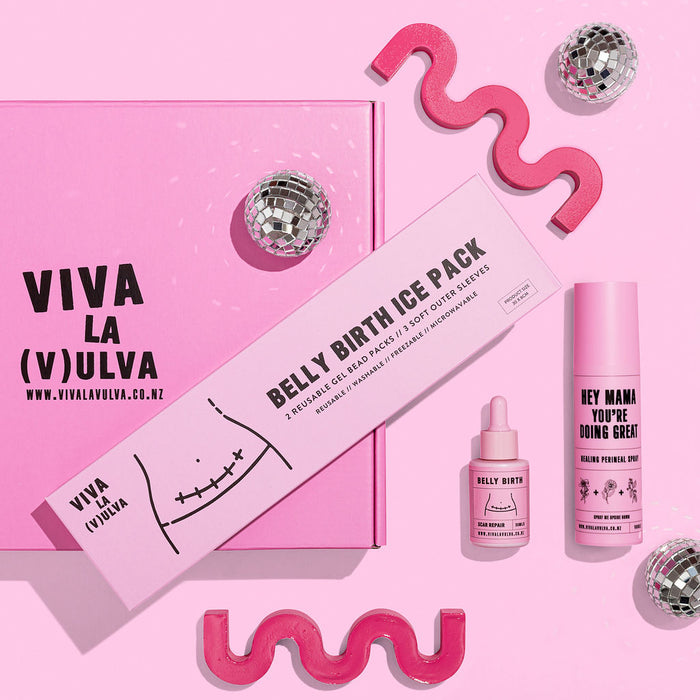
As the days pass, you might notice swelling or a feeling of heaviness across the lower abdomen. This is a normal part of the healing process, and gentle support — including things like cold therapy, can help your body settle during this stage.
When you’re ready, scar care begins
Once you’ve been cleared by your midwife, GP, or specialist (usually around six weeks), you can begin working more directly with your scar.
This is often the part that isn’t fully explained, but it can make a real difference to how your body feels over time.
Scar care is less about doing something to your body, and more about working with it.
Understanding scar massage (in a simple, gentle way)
You don’t need to rush into it.
It can help to begin by simply getting comfortable with the area again. Light touch around the scar, soft strokes with your fingertips or a cloth — just allowing your body to reconnect with sensation.
Over time, as that feels more natural, you can begin to gently work on the scar itself. Moving the skin slightly side to side, then up and down. Keeping the pressure light and stopping if anything feels uncomfortable.
As healing continues, you may be able to apply a little more pressure or spend time on areas that feel tighter. It’s not about doing this perfectly. It’s about being consistent and gentle.
When things don’t feel quite right
Sometimes, your body gives you little signals.
A pulling sensation when you stand upright. Tightness that doesn’t ease. A feeling that your core isn’t quite connecting yet. These can all be part of scar healing, especially if the tissue feels restricted.
If you notice these things, it can be helpful to get a bit of extra support.
A note on pelvic floor physio
Even with a belly birth, your pelvic floor and core have carried a lot through pregnancy.
Seeing a pelvic floor physiotherapist can be incredibly supportive, not just if something feels wrong, but as part of your overall recovery.
They can assess how your scar is healing, help improve movement through the tissue, and guide you as you return to strength and daily movement.
It’s one of those things that often isn’t talked about enough, but can make a big difference.
The emotional side of scar healing
For some women, touching their scar can feel a little confronting at first. Even squirmy.
It might bring up unexpected feelings, or just feel unfamiliar.
If that’s the case, you’re not alone.
You can take your time with it. Go slowly. Come back to it when it feels right.
Healing after birth isn’t just physical, and there’s no pressure to rush any part of it.
Supporting your scar with the right products
When you begin scar massage, using something that allows your hands to move easily across the skin can help.
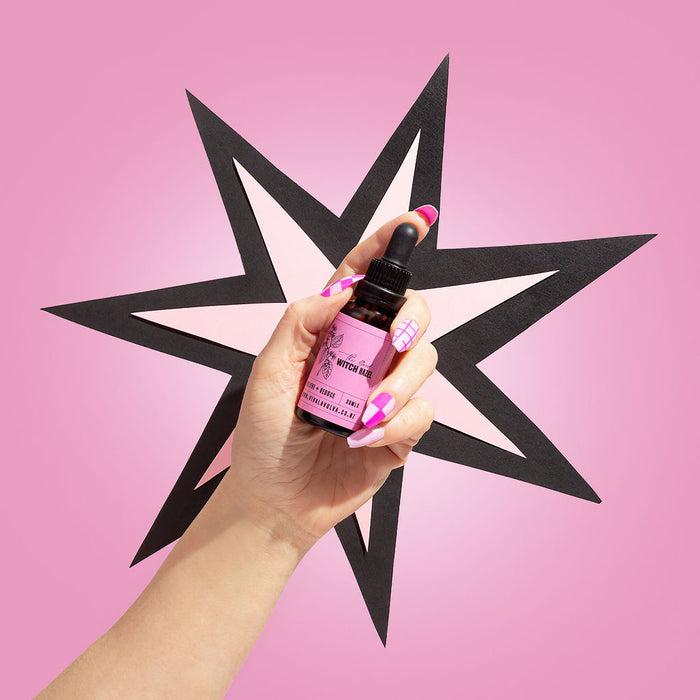
Look for something gentle, lightweight, and suitable for sensitive, healing areas. You don't need anything too pricey - your scar will fade with time. The goal is to support movement and comfort, not to overwhelm the skin. We created our all-natural Belly Birth Scar Oil exactly for this purpose.
The kind of recovery you deserve
C-section recovery isn’t just about getting through the early weeks.
It’s about feeling supported as your body continues to heal, in your scar, your core, and your overall sense of self.
With time, care, and the right support, your scar can soften, move more freely, and feel like part of you again.
Always check with your midwife, GP, or specialist before starting scar massage. If you notice redness, swelling, discharge, or increasing pain, seek medical advice.
Belly birth mamas, we’re here for you.
Every step of the way. 💗
Love VLV x